
Sussex Al Fresco: The ROI of Professional Outdoor Heating
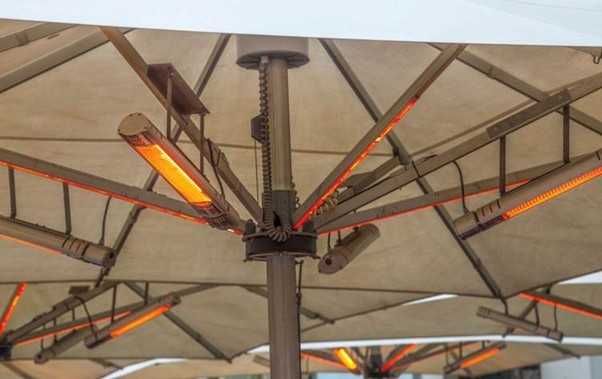
However, for pubs, cafés, restaurants, and independent retailers across the county, outdoor spaces don’t have to stay dormant for half the year. Investing in professional outdoor heating, while remaining mindful of low-carbon options, can offer a good return on investment, not to mention providing guests with a compelling reason to stay outdoors when it’s too full or cramped inside.
Looking beyond the go-to gas parasol
Many Sussex hospitality venues still rely on the familiar tall gas tower heater, also known as the mushroom heater. While these are effective, being portable and requiring minimal installation legwork, they are surprisingly inefficient. Gas patio heaters typically consume 45,000 BTUs of energy per hour, according to the detailed guide from heated outdoor furniture experts Galanter & Jones, and only convert a small fraction of the fuel they burn into useful heat. The excess is lost to the surrounding atmosphere, practically dispersing immediately on a breezy evening. This, coupled with the ongoing logistics of running gas cylinders and propane, makes it a cumbersome choice for businesses.
Consider a shift to electric outdoor heating
Commercial electric systems make a compelling case for integration in hospitality venues. Shortwave quartz halogen heaters, in particular, heat people directly rather than warming the surrounding air, meaning wind has little effect on their efficiency. Sussex-based commercial heating experts BN Thermic note that the efficiency difference between electric and gas is considerable; well-designed electric patio heaters can convert over 90% of energy consumed into useful radiant heat, compared to roughly 30% for a gas equivalent, at approximately a third of the running cost.
Wall-mounted and ceiling-mounted electric heaters are also worth considering, as they don’t encroach on valuable floor space or create trip hazards. Because they require far less day-to-day management, their higher placement is well-warranted. A hardwired electric system is ideal for venues with semi-covered terraces or pergolas, as it can heat precise areas and eliminate excessive heat wastage.
The numbers that matter
If Sussex venues can affordably heat outdoor spaces year-round, the business case is clear. Extending the season encourages more covers at a low incremental cost. A well-heated terrace generating £100 per table nightly represents substantial revenue otherwise lost; typically, quality commercial electric heaters pay for themselves within one extended season.
For Sussex SMEs considering the move from gas to electric heating, the key steps are to impartially assess your space and output requirements and consult a specialist. Budget for a professional installation rather than an ad-hoc set-up. Remember that the upfront cost may be higher than buying budget options, but being able to achieve ongoing energy savings, reduced maintenance, and year-round usability make it a sound commercial investment.