
The Building Problems That Quietly Disrupt Business Operations
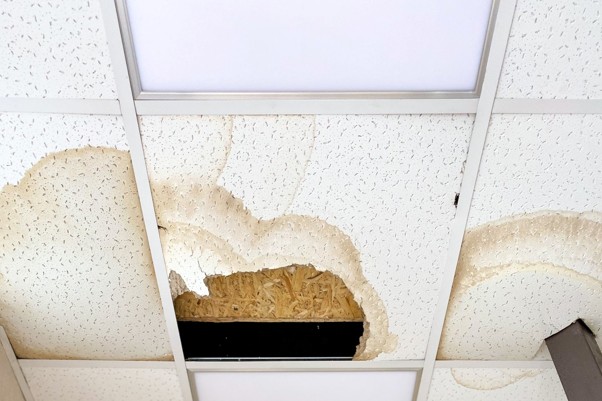
Most property managers know the obvious warning signs: flooded basements, water stains on ceilings, or tenants reporting damp offices. By the time these are visible, the real damage is already well underway. Roof leaks, waterproofing breaches, and structural issues in the building envelope don't announce themselves. They spread silently through walls, under finishes, and above drop ceilings, often undetected for months or years.
When discovery happens, the cost is staggering
What began as a small membrane breach transforms into water ingress across multiple floors. Damaged insulation, corroded structural steel, and mould growth lead to escalating insurance claims. Tenants demand compensation for business interruption or damaged inventory. The "quick repair" becomes a multi-month remediation project and a hit to your property's value and reputation.
Lease terms can also sharpen the risk further. Commercial properties often let on a full repairing and insuring basis, making the tenant responsible for keeping the building in good repair and returning it to its pre-let condition. It’s worth understanding what repairing obligations cover, because a fault left undetected can resurface as a dilapidations claim on exit.
Why early warning signs are easy to miss
Soft spots on flat roofs don't scream danger, and condensation in mechanical spaces can look like a ventilation issue. Similarly, small stains on internal walls could indicate any number of problems. Without professional investigation, property managers are left guessing at the source, with stopgap repairs tending to buy a few months rather than resolve the cause.
Where professional diagnostics come in
The moisture might be entering through a roof membrane breach, a wall joint failure, or condensation trapped in the cavity. Without knowing which, repairs are wasted money.
Establishing the cause is where specialist diagnostics earn their place. Waterproofing integrity testing identifies breaches in a roof covering before water can track through the structure. Where a leak is already active, the aim is to find the entry point, not the spot where it shows inside. Thornton Consulting, a company instrumental in introducing the integrity test to the UK, combines electronic leak detection, moisture profiling and simulated rainfall testing to establish the precise cause before any repair is carried out. A building that’s properly diagnosed costs less to put right than one that fails again six months later.
The business case for prevention
A professional building investigation isn’t cheap, but when an undetected leak is discovered during an emergency, costs climb fast, alongside business interruption, tenant disputes, and insurance complications. Buildings with a documented maintenance history are more attractive to insurers and often qualify for better premiums. Following RICS guidance on planned preventative maintenance ensures that regular integrity testing becomes part of your ongoing asset management.
What you can do now
If you manage a commercial building or large residential property in Sussex, consider a professional assessment of your building's envelope integrity. Understanding best practice in water damage prevention helps you develop a proactive strategy that protects your property and your insurance position.
Properties that stand for decades do so because someone paid attention when warning signs first appeared.