
How Specialist Restoration Sustains Heritage Skills in Sussex
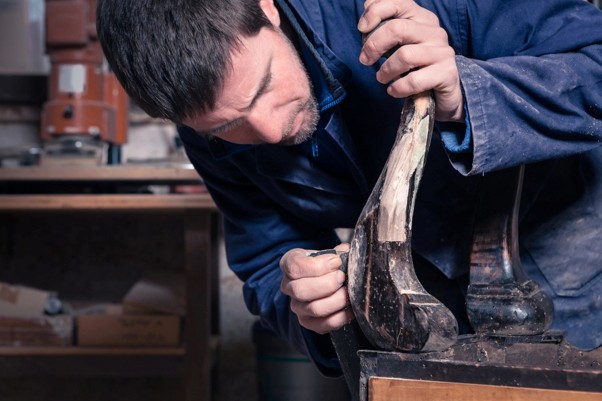
Heritage restoration isn’t a niche pursuit or sentimental attachment to the past. It’s a serious economic asset that creates high-value work, attracts premium customers, supports skilled employment, and anchors regional expertise. For Sussex businesses operating in specialist trades, understanding why heritage restoration matters economically reveals important lessons about competitive advantage and business sustainability in an increasingly consolidated marketplace.
The economic value of heritage skills
The scale is significant. Across Sussex, heritage restoration and conservation projects demonstrate real economic activity. England’s heritage sector contributed £44.9 billion in Gross Value Added to the UK economy in 2022 and supported over 523,000 jobs across construction, conservation, hospitality and related services. That is serious economic activity. As the heritage sector’s economic contribution demonstrates, investing in historic environmental work creates wealth, employment and resilience across regions.
Why specialist businesses thrive
This approach works across business sectors too, with specialist SMEs continuing to outperform larger competitors by developing expertise that can’t be standardised or outsourced. Restoration specialists, whether focused on classic vehicles, heritage buildings, or fine craftsmanship, build loyalty through mastery. For example, John Haynes Mercedes, based in Worthing for over 50 years, has invested decades mastering restoration techniques for classic vehicles, training technicians, acquiring rare parts, and developing capabilities that generalist garages don’t possess. They excel in technical knowledge and specialised capability, and it’s this detailed focus that attracts customers from across the UK. That’s how businesses build genuinely defensible competitive advantage.
Building regional reputation
This specialisation creates broader economic ripple effects. Specialist restoration attracts and retains skilled workers, supports supply chains, including parts suppliers and specialist contractors, and builds regional reputation and distinctiveness. Sussex’s heritage restoration sector contributes significantly to the county’s economic character. We do it exceptionally well, and businesses and enthusiasts will travel considerable distances to access that expertise and capability.
Investing in skills for succession
Yet the sector faces a genuine challenge: skills succession. Traditional knowledge passes from experienced craftspeople to apprentices, while formal training pathways have shrunk. Investment in training and support for younger workers remains critical for sustaining these capabilities.
What this means for Sussex businesses
There is a clear message for Sussex business owners. If you operate in a specialist area, whether restoration, precision trades, technical services, heritage craftsmanship or niche engineering, your expertise is your most defensible competitive advantage. Invest in your team, develop deep technical knowledge, and position your business as the regional authority in what you do.
Specialists don’t need to be large to succeed or achieve growth. They need to be exceptionally good at what matters most to customers and to build a reputation that makes customers choose them despite distance or cost. That’s how businesses build genuinely sustainable competitive advantage, creating economic value that reaches beyond their own operations into their communities.